Tsunami Warning California
Introduction: When the Ocean Sends a Serious Message
hen people hear a tsunami warning California alert, fear often comes first. Phones buzz. Sirens sound. News channels repeat the same words again and again. But many people still ask one simple question: What does this really mean for me? The truth is, a tsunami warning is not meant to scare people. It is meant to protect them. California has a long and active coastline. The ocean gives beauty, jobs, and life. But it also carries power. A tsunami warning California alert is the ocean’s way of saying, “Pay attention now.” This article is written for real people, not scientists. The goal is simple. Help you understand what is happening, why it matters, and what to do without panic. No hard words. No confusing science. Just clear guidance that even a child can understand.
Tsunami Warning Guide for California
NO Tsunami Warning, Advisory, Watch, or Threat in Effect
Source: NOAA U.S. Tsunami Warning Centers (tsunami.gov)
What to Do in Case of a Tsunami
| Alert Level / Sign | Description | Recommended Actions | Visual Example |
|---|---|---|---|
| Tsunami Warning | Dangerous coastal flooding and powerful currents expected. Widespread inundation possible. | Evacuate immediately to high ground or inland. Follow official instructions. |
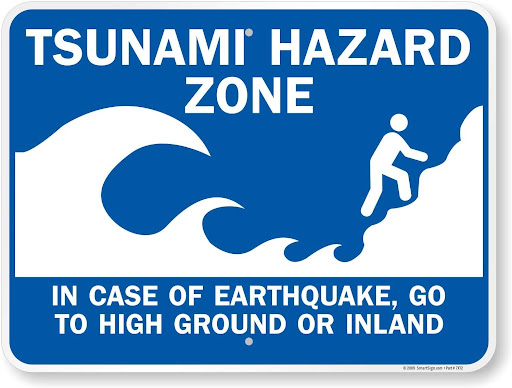
Tsunami Warning Sign (NOAA Example)
|
| Tsunami Hazard Zone | Area at risk of inundation during a tsunami. | Avoid low-lying areas during alerts. Prepare to evacuate. |
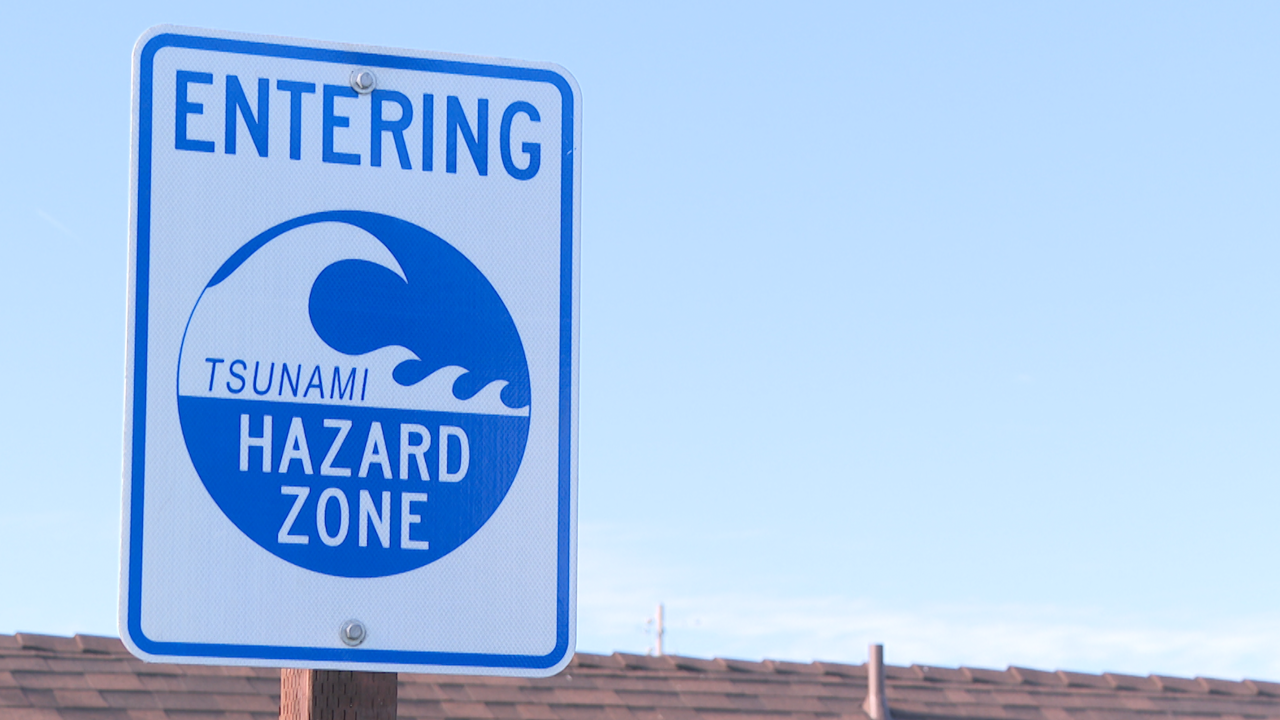
Tsunami Hazard Zone Sign in California
|
| Natural Warning Signs | Strong earthquake, sudden sea retreat, or loud ocean roar. | Move to high ground immediately – do not wait for official alert. |
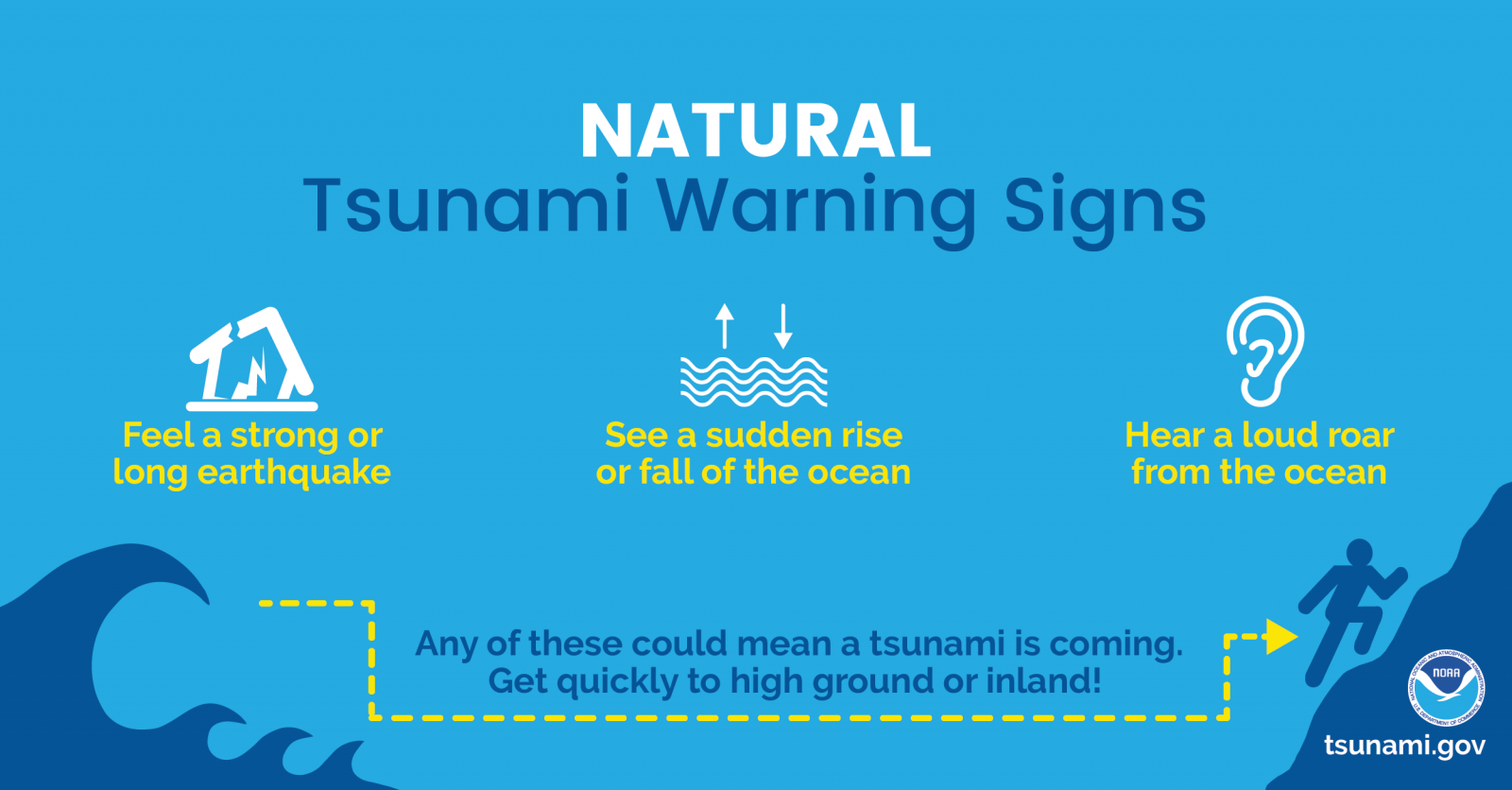
Natural Warning Signs of a Tsunami (NOAA)
|
| Evacuation Route | Marked safe paths to higher ground. | Follow the blue wave signs to safety. |

California Tsunami Evacuation Route Sign
|
Tsunami Hazard Maps for California
Always check official interactive maps from the California Geological Survey or Cal OES MyHazards tool.
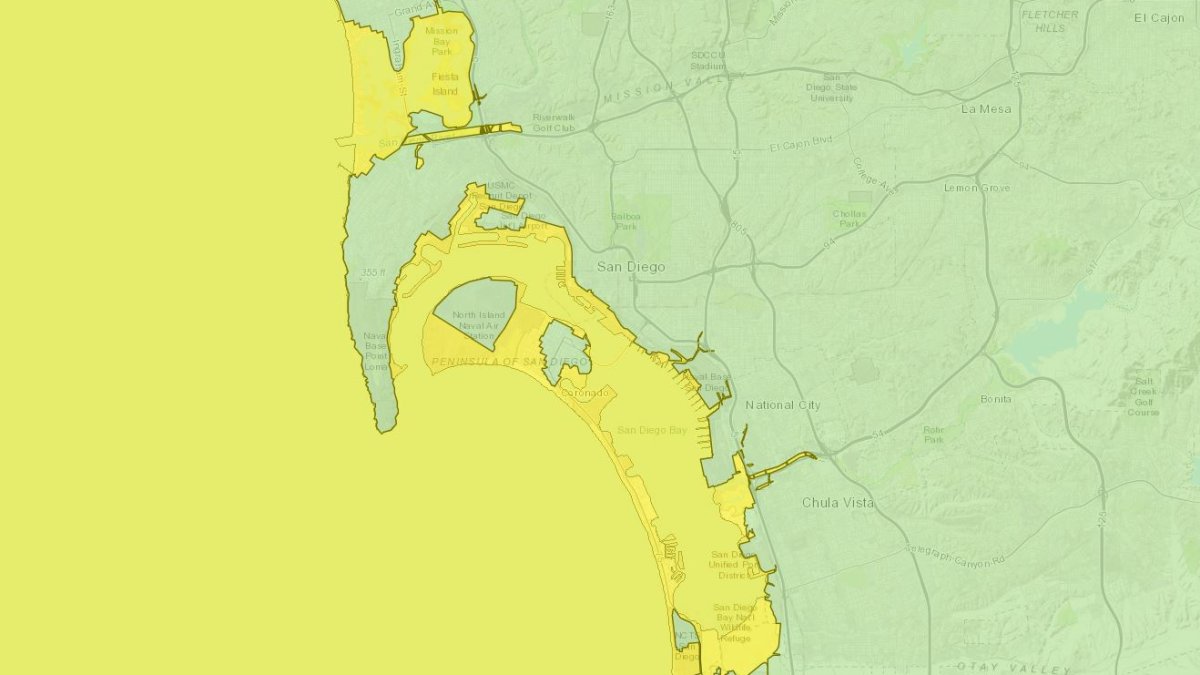
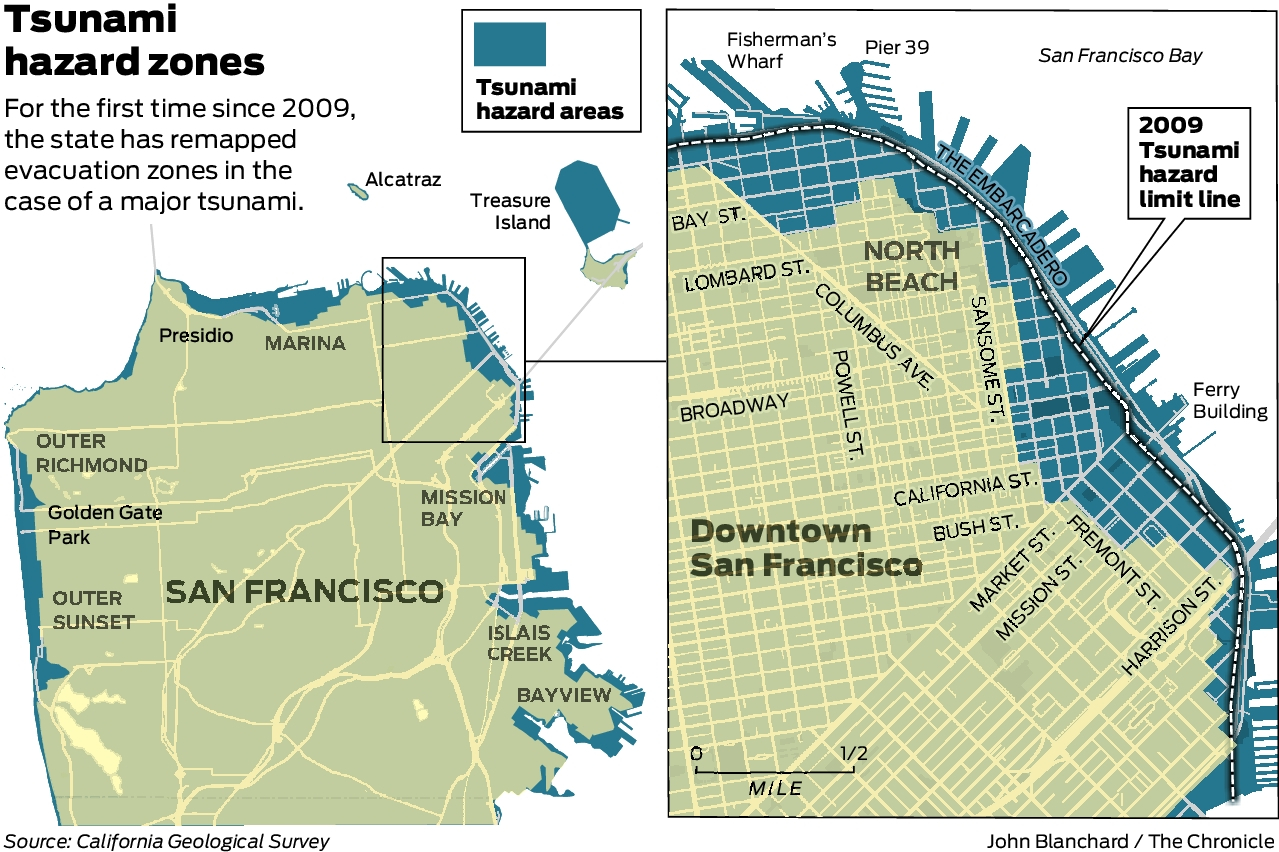
Images from reliable public and official websites.
What a Tsunami Actually Is (In Very Simple Words)
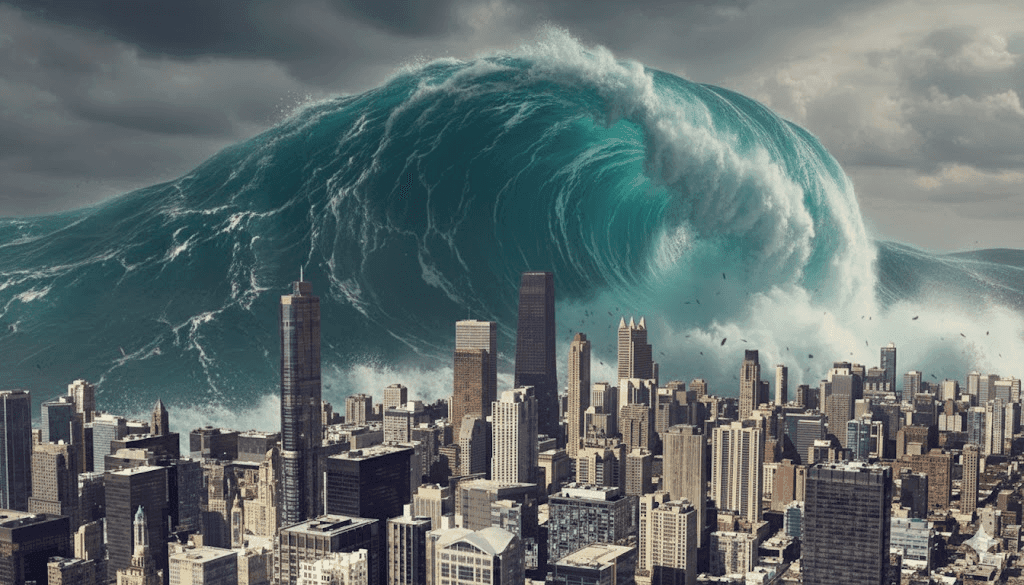
A tsunami is not just a big wave. It is a strong movement of the ocean caused by sudden force. Most tsunamis start when the ocean floor shifts fast. This usually happens during an earthquake. Sometimes, landslides or volcanoes can cause them too. Unlike beach waves, tsunami waves move through deep water at high speed. You cannot see them coming from far away. Near the shore, these waves slow down and rise higher. That is where danger starts. A tsunami can arrive as many waves, not just one. The water may rush in, then pull back, then return again. This cycle can last hours. When experts issue a tsunami warning California alert, it means these conditions are possible. Knowing this difference helps people take the warning seriously.
Why California Faces Tsunami Risk More Than Many States
California sits next to the Pacific Ocean. Beneath this ocean are active fault lines. These faults move often. Some movements are small. Some are large. Offshore earthquakes are the biggest concern. California can also feel tsunamis caused by earthquakes far away. A quake near Alaska or across the Pacific can still affect California hours later. The shape of the coast matters too. Bays, harbors, and river mouths can pull water inland. Some towns sit low near sea level. These areas face more danger. This is why tsunami safety is part of life here. A tsunami warning California alert reflects real geographic risk. It is not random. It is based on where California is and how the Earth moves.
What a Tsunami Warning California Alert Is Telling You
A tsunami warning California alert means experts believe dangerous waves may hit the coast. It is the strongest tsunami alert level. It tells people to act now, not later. This is different from a watch or advisory. A warning means flooding or powerful currents are expected. People should move away from the coast right away. Boats should leave harbors if possible. The alert is based on data, not guesses. Sensors, satellites, and computers work together. When a warning is issued, officials believe safety is at risk. Many people think warnings are overused. History shows the opposite. Early action saves lives. Treat every tsunami warning California alert as real until officials cancel it.
Tsunami Warning, Watch, and Advisory: No Confusion Version
These three words sound similar, but they mean very different things. A warning means danger is expected. You must move to safety. A watch means danger is possible. Stay alert and prepare. An advisory means strong ocean currents are likely. It is unsafe for swimming or boating. Only a warning asks for evacuation. Knowing this difference prevents panic and delay. Emergency agencies choose words carefully. They do not issue warnings lightly. When a tsunami warning California alert appears, it means conditions have crossed a serious line. Understanding these levels helps families respond quickly and calmly.
How Experts Know When to Issue a Tsunami Warning
Tsunami warnings are not guesses. They come from real-time science. When an earthquake happens, machines measure its size and depth. Underwater sensors feel pressure changes. Ocean buoys confirm wave movement. Computers predict how fast waves will travel and where they will hit. Experts review this data within minutes. As more information arrives, updates follow. This is why alerts can change. It is not confusion. It is improvement. When a tsunami warning California alert is issued, it is because enough evidence points to danger. Human experts and machines work together to protect the public.
Which Parts of California Face the Most Danger
Not all coastal areas face the same risk. Low areas near the ocean are most vulnerable. Northern California has a history of tsunami damage. Small towns near harbors can face strong currents. Tourist beaches may fill quickly, making evacuation harder. River mouths can carry waves inland. Steep cliffs reduce flooding but do not stop currents. Knowing your local geography matters. Coastal cities post evacuation maps for this reason. If you live or visit near the coast, learn these routes early. During a tsunami warning California alert, knowing where to go saves time and lives.
What To Do the Moment You Hear the Warning
When a tsunami warning California alert sounds, do not wait. Do not go to the beach to look. Move inland or to higher ground right away. Follow posted evacuation signs. If you are driving, leave early to avoid traffic. If you cannot evacuate, move to the highest level of a strong building. Stay away from windows. Keep listening to official updates. Do not return until authorities say it is safe. Many injuries happen when people return too soon. The ocean can stay dangerous even when it looks calm.
How Long the Danger Can Actually Last
Many people think the danger ends after one wave. This is wrong. Tsunamis arrive in groups. The second or third wave can be stronger than the first. Strong currents can last for hours. Sometimes, the warning stays active most of the day. Officials wait until sensors show the ocean has stabilized. Only then is the alert lifted. A tsunami warning California alert stays active for safety, not drama. Waiting longer is always safer than returning early.
Common Mistakes People Make During Tsunami Alerts
One common mistake is ignoring alerts because nothing happened last time. Another mistake is trying to record videos. Some people believe they will have time to react later. Others trust rumors instead of official updates. These choices increase risk. The ocean moves faster than people expect. Warnings are designed to give time. Using that time wisely matters. When a tsunami warning California alert is active, following instructions is the safest choice.
How California Tries to Protect Its Coastal Communities
California prepares for tsunamis long before they happen. Coastal towns hold evacuation drills. Schools teach safety basics. Signs show safe routes. Emergency teams train often. Scientists update risk maps regularly. Ports have response plans. Public education saves lives. Communities that practice recover faster. A tsunami warning California alert is only one part of a larger safety system. Preparation makes that system work.
A Real-Life Lesson About Taking Warnings Seriously
I once read about a coastal worker who ignored a tsunami advisory. He thought the water looked normal. Minutes later, strong currents damaged his boat. He survived, but the loss stayed with him. He later said the warning was clear, but he underestimated the ocean. This story is common. The ocean does not need to look angry to be dangerous. A tsunami warning California alert exists to prevent stories like this from ending worse.
FAQs About Tsunami Warning California
1. Does a tsunami warning mean a giant wave will hit?
No. It means dangerous ocean movement is expected. This can include flooding or strong currents.
2. Can California get a tsunami without feeling an earthquake?
Yes. Distant earthquakes can cause tsunamis hours later.
3. How fast should I evacuate after a warning?
Immediately. Do not wait for visual signs.
4. Is it safe to stay in a car during evacuation?
Yes, if roads are clear. Leave early to avoid traffic.
5. Can tsunamis happen at night?
Yes. Alerts work day and night.
6. Where should tourists get tsunami information?
From official alerts, local signs, and hotel staff guidance.
Conclusion: Knowledge Turns Fear Into Safety
A tsunami warning California alert is serious, but it does not have to cause panic. Understanding the warning changes everything. Preparation builds confidence. Listening to experts saves lives. The ocean is powerful, but knowledge is stronger. Learn your routes. Share plans with family. Take alerts seriously. One good decision can protect everything you love.
You May Also Like To Read: Sarah Ziolkowska: Inspiring Creative Star | Authentic Instagram & Career Journey
About the Author