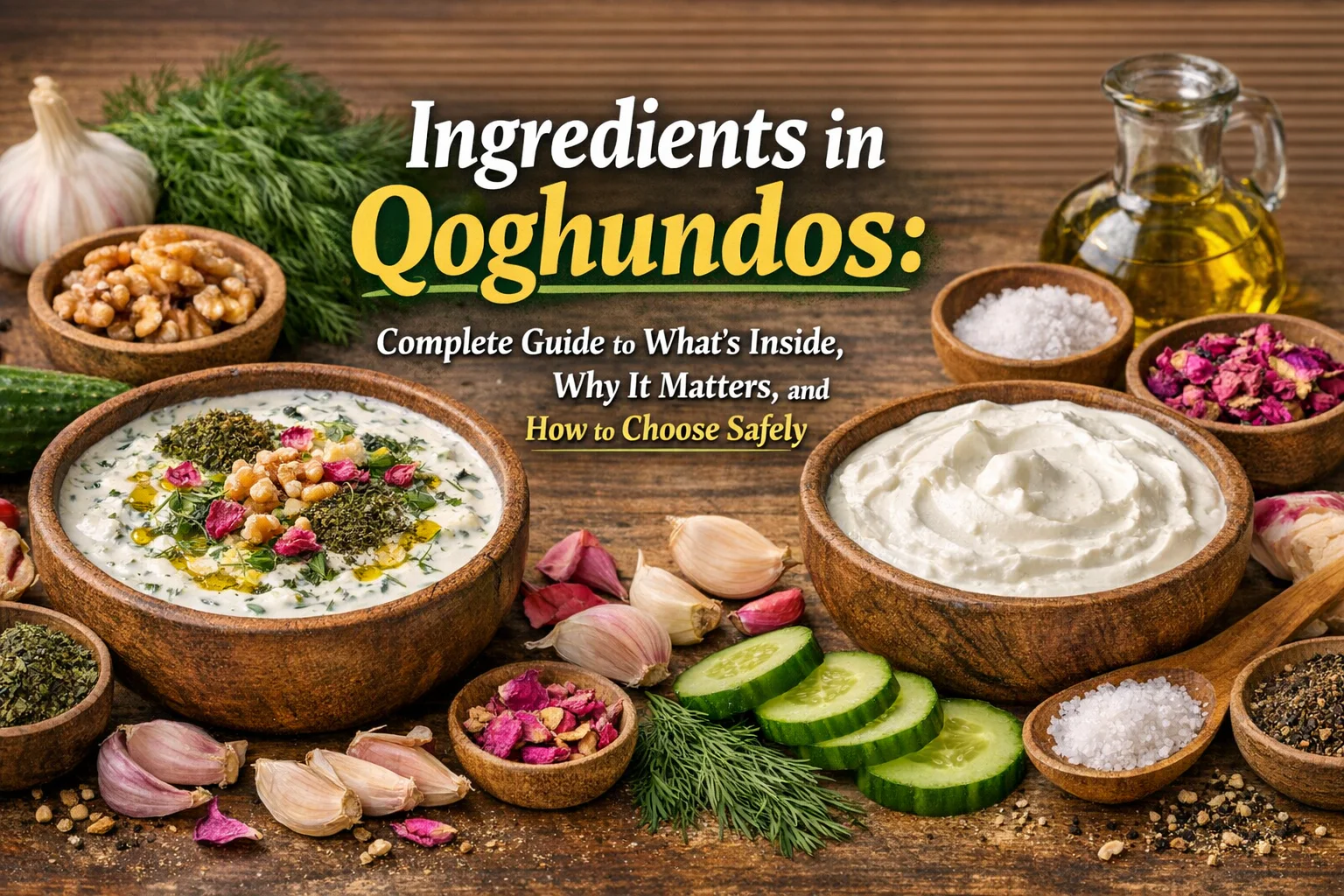
Ingredients in Qoghundos
Ingredients in Qoghundos: A Complete, Clear Guide
If you searched ingredients in qoghundos, you probably want a straight answer. You may have seen the word online, heard it in a comment, or found it on a label. The confusing part is that “qoghundos” is often used like a blend name, not a single, fixed recipe. That means the ingredients can change by seller, region, or style. This guide keeps it simple and practical. You will learn what shows up most often, what each ingredient does, what to watch for, and how to choose a cleaner option without stress.
What “Ingredients in Qoghundos” Usually Means
When people ask about ingredients in qoghundos, they usually want to know what is inside a blend that may look or feel different depending on where it comes from. Some versions are described like a comforting meal mix built on grains or legumes. Other versions are described more like a pantry blend made with seeds, herbs, and spices. That is why two lists can look different and still be “qoghundos” to the person who found it. Instead of guessing one exact recipe, this article focuses on the most common ingredient groups that show up again and again. Once you understand those groups, you can read any ingredient list quickly and feel confident about what you are getting.
The 4 Main Groups Found in Many Versions
Most descriptions of ingredients in qoghundos fit into a simple pattern. There is usually a base, flavor builders, a body ingredient that makes it filling, and finishing touches that make the flavor pop. This makes shopping and cooking easier because you can judge balance at a glance. If you see only flavor powders, the blend may be more of a seasoning than a full food. If you see whole-food bases plus herbs and spices, it is closer to a real meal-style mix. These groups also help you swap ingredients safely if you have allergies or preferences.
1) The Base
Often grains or legumes. This gives structure, energy, and a steady, comforting texture. It also decides how “meal-like” the blend feels.
2) Flavor Builders
Herbs, aromatics, and spices. These carry the signature taste. A good mix tastes layered, not salty or one-note.
3) The Body Ingredient
Items that make it filling, like lentils, chickpeas, beans, or a protein choice. This is where “satisfying” comes from.
4) Finishing Touches
Lemon, yogurt, olive oil, toasted seeds, or gentle sauces. These small additions can turn a basic bowl into something special.
Grains and Legumes: The Foundation
Many versions of ingredients in qoghundos start with grains or legumes because they are filling and easy to store. You may see rice, bulgur, cracked wheat, oats, quinoa, or mixed grains. Lentils are also common because they cook quickly and taste mild. Chickpeas or beans can show up in some styles too. This foundation matters because it controls texture and energy. Grains add chew and warmth. Lentils add a softer, thicker feel. If you want a lighter bowl, use a smaller grain portion and add more vegetables. If you want more protein, lean on lentils or chickpeas as the base. Once you recognize the base, you understand a big part of the ingredients in qoghundos.
Seeds and Nuts: Small Parts With Big Results
Seeds and nuts show up in ingredients in qoghundos because they add crunch and a rich, toasted taste. Common examples include sesame, flaxseed, sunflower seeds, pumpkin seeds, and chia seeds. Some meal-style versions use toasted seeds as a topping, while pantry blends may grind seeds to thicken texture. Nuts like almonds or cashews appear less often because they cost more, but they can still be included in some products. If you have allergies, this is the section to scan first. Always check for sesame, tree nuts, and “may contain” notes. If you cook at home, a spoon of toasted sesame can lift the entire flavor without needing extra salt.
Herbs and Aromatics: Freshness and Depth
Herbs and aromatics help ingredients in qoghundos taste bright and complete. Popular herbs include parsley, cilantro, and mint. Some blends use dried herbs for shelf life, while fresh herbs are added at the end in home cooking. Aromatics like garlic, onion, and ginger also appear often. These ingredients matter because they boost flavor without making the blend heavy. They also reduce the need for extra salt. A simple tip is to use herbs in two moments: add a little early for depth, then add more at the end for freshness. This creates a clean, layered taste that feels homemade. When you notice herbs high on a label, it is often a sign that the blend is built with real flavor.
Spices: Where the Signature Flavor Comes From
Spices are often the most memorable part of the ingredients in qoghundos. You may see cumin, coriander, paprika, turmeric, black pepper, and mild chili. Some styles also use warm spices like cinnamon or cardamom for a cozy note. The goal is balance, not burn. A good blend tastes layered. It should feel warm, earthy, and slightly bright. If one spice dominates, the mix can taste harsh or flat. If you are sensitive to heat, choose mild blends and avoid added chili powders. If you cook at home, start small and build slowly. Spices are powerful, so you want them to support the base, not hide it. This is a smart way to enjoy ingredients in qoghundos without overwhelming your taste buds.
Vegetables and Roots: Color, Sweetness, and Comfort
Many descriptions of ingredients in qoghundos include vegetables or roots to add sweetness and texture. Meal-style versions may use onions, carrots, tomatoes, peppers, or leafy greens. Shelf-stable blends may use dried vegetable flakes or small pieces. Roots like ginger can add gentle warmth and a clean finish. Vegetables matter because they make the dish feel complete instead of just starch and spice. If you are cooking at home, frozen vegetables work well and save time. If you are buying a packaged blend, check whether real vegetable pieces show up near the top of the list. When vegetables appear only at the end, the amount may be too small to taste.
Proteins: How It Becomes a Real Meal
A satisfying version of ingredients in qoghundos often includes a protein element. In some blends, lentils and chickpeas are the main protein. In others, people add eggs, chicken, fish, tofu, or yogurt depending on diet and preference. Packaged mixes sometimes use broth powders or protein powders, but whole-food proteins usually feel better and taste more natural. If you want a simple everyday bowl, lentils plus yogurt can be enough. If you want higher protein, add chicken or tofu. If you are watching sodium, be careful with broth powders and flavored salts. The best protein choice is the one that fits your body and your routine while keeping the flavor balanced.
Finishing Touches That Change Everything
Finishing ingredients can transform the ingredients in qoghundos from “okay” to “wow.” Olive oil adds smooth richness. Lemon adds brightness that wakes up the whole bowl. Yogurt adds a cool, creamy contrast that can soften strong spices. Some people finish with toasted seeds for crunch or a gentle vinegar splash for lift. Packaged blends may include “natural flavors,” dairy powders, or flavor oils, which can be fine but are less flexible. If you want more control, choose a simple base blend and add your finishing touches at home. That is also the easiest way to adjust for dairy-free needs or salt preferences. Small choices at the end can make a big difference.
Complete Ingredient Guide Table
This table explains common ingredients in qoghundos, what they add, easy swaps, and what to watch for. Use it to compare labels quickly or plan a cleaner homemade version.
| Ingredient Group | Common Examples | What It Adds | Easy Swaps | What to Watch For |
|---|---|---|---|---|
| Grain base | Rice, bulgur, cracked wheat, quinoa, oats | Fullness, texture, steady energy | Barley, brown rice, cauliflower rice | Refined grains only, low fiber |
| Legume base | Lentils, chickpeas, beans, split peas | Protein, thickness, satisfying feel | Split peas, mixed beans | Digestive sensitivity for some people |
| Seeds / nuts | Sesame, flax, pumpkin seeds, sunflower seeds | Crunch, toasted flavor, healthy fats | Sunflower seeds, toasted oats | Allergies (sesame, tree nuts) |
| Herbs | Parsley, cilantro, mint, dill | Fresh lift, aroma, balance | Dried herb blend | Stale dried herbs can taste flat |
| Aromatics | Onion, garlic, ginger | Depth, warmth, less need for extra salt | Scallions, garlic powder | Added sugar in some packaged mixes |
| Savory spices | Cumin, coriander, paprika, turmeric, pepper | Signature flavor, warmth | Mild curry blend | Too much heat can overwhelm |
| Warm spices | Cinnamon, cardamom, clove (tiny amounts) | Cozy, rounded taste | Nutmeg (very small) | Overuse can dominate |
| Vegetables | Tomato, carrot, peppers, leafy greens | Color, sweetness, “complete meal” feel | Frozen veg mix | Very low veggie content on labels |
| Protein add-ons | Chicken, tofu, yogurt, eggs | Satiety, balance | Beans, fish, plant yogurt | High sodium broth powders |
| Finishers | Olive oil, lemon, vinegar, toasted seeds | Brightness, richness, better texture | Lime, kefir, sesame sprinkle | Dairy intolerance, added flavor oils |
Quick tip: If the first five ingredients are mostly whole foods, the blend is usually more balanced. If they are mostly salt, sweeteners, or vague “flavors,” it may be more seasoning than food.
How to Spot High Quality by Reading the Label
The fastest way to judge ingredients in qoghundos is to start with the first five items. That is where most of the product comes from. If you see grains, lentils, vegetables, and real spices early on, that is a strong sign. Next, scan for fillers like heavy sweeteners, thickening gums, or vague “flavoring” terms. Then look at sodium. Some packaged mixes taste strong because salt is doing the work. Also check allergen notes for sesame, nuts, or dairy. Finally, notice whether the blend expects you to add fresh items like lemon or yogurt. That often means the base is simpler, and you control the finish. This is a calm, practical way to feel sure about what you are buying.
A Simple Home Framework (So You Control Ingredients)
If you want total control over ingredients in qoghundos, make a basic version at home. Start with a base like cooked lentils, rice, or bulgur. Add aromatics like onion and garlic in a pan until they smell sweet. Stir in spices like cumin and coriander. Add vegetables and cook until soft. Then finish with lemon and herbs. If you want creaminess, add yogurt on top. If you want more protein, add chicken or tofu. This framework keeps the flavor strong while staying flexible. It also helps you avoid surprise additives and lets you adjust salt and heat to your taste. When you cook it yourself, you never have to guess what is inside.
Common Mistakes People Make
One common mistake is assuming every version is the same. Because ingredients in qoghundos can change, the label matters. Another mistake is using too many spices at once. That can make flavor muddy instead of clear. People also forget acid, like lemon, which can make the whole bowl taste flat. Salt is another big issue. If you salt heavily early, you may not be able to fix it later. Season in steps and taste as you go. Texture mistakes happen too. If the mix feels dry, add a splash of broth or a spoon of yogurt. If it feels too loose, simmer a bit longer. These small choices keep your results consistent and satisfying.
Who Should Be Extra Careful With Certain Ingredients
Most people can enjoy simple blends, but some should be cautious with certain ingredients in qoghundos. If you have allergies, watch for sesame and nuts. If you have a sensitive stomach, very spicy mixes or heavy raw onion can feel harsh. If you limit sodium, avoid blends that rely on broth powders or flavor salts. If you avoid dairy, skip yogurt-based versions or choose plant options. If you have health concerns, be careful with strong concentrated herbal powders in “supplement-like” mixes. The safest approach is simple: choose whole foods, keep the list short, and introduce new blends slowly.
FAQs
These quick answers help you understand ingredients in qoghundos without confusion. They are short, clear, and practical.
Are the ingredients in qoghundos always the same?
What are the most common ingredients in qoghundos?
Can I make a mild version without spicy ingredients?
Which ingredients should allergy-sensitive people watch for?
How do I spot a cleaner, higher-quality blend?
What is the easiest way to control the ingredients?
About the Author