Newfoundland Dog: The Gentle Giant With a Big Heart
Newfoundland Dog: The Gentle Giant Guide (Care, Size, Temperament)
The Newfoundland dog is famous for being big, calm, and loving. People call them “gentle giants” for a reason. This guide explains what they are like at home, how to care for them, and how to know if this breed fits your life.
What makes a Newfoundland dog so special?
Intro
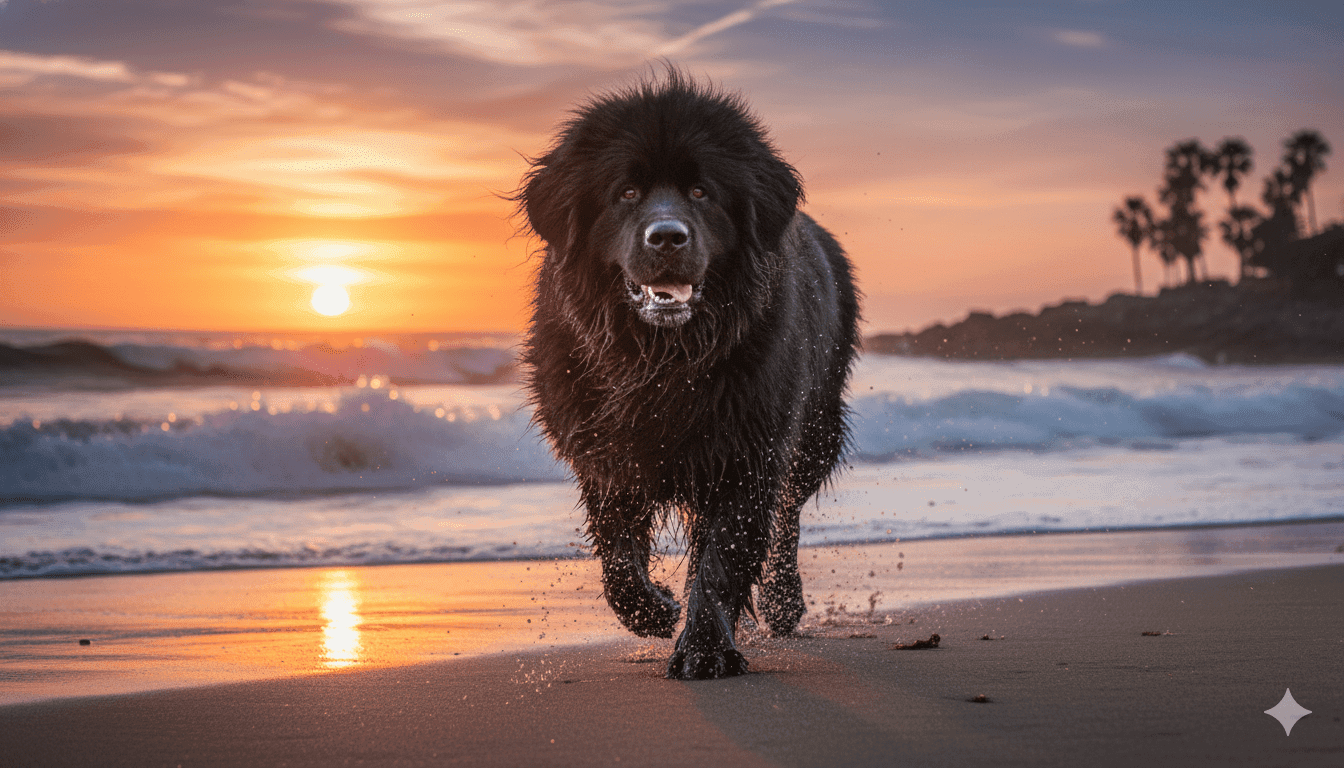
The newfoundland dog looks like a bear, but acts like a best friend. This breed is known for being calm, careful, and very people-focused. Many owners say a newfoundland dog watches the family like a quiet guard. Not loud. Not wild. Just steady. If you have kids, you will notice something sweet. They often move slowly around little ones, like they understand their own size.
I have seen families choose a newfoundland dog because they wanted a big dog with a gentle nature. That is a smart goal, but it comes with real work. These dogs shed a lot. They need grooming. They also need training, because a “polite giant” must learn manners early. In this guide, we will cover care, feeding, grooming, exercise, and what to expect day to day.
Newfoundland dog quick facts
At a glance
| Breed type | Large working dog, family companion, water helper |
| Temperament | Gentle, patient, loyal, people-loving |
| Coat | Thick double coat, heavy shedding, needs regular brushing |
| Energy | Moderate; enjoys walks and swimming, not a nonstop runner |
| Best for | Families, calm homes, owners who can manage size and grooming |
1) History: why this breed loves water
Background
The newfoundland dog is strongly linked with cold water and hard work. Long ago, these dogs helped people in fishing areas. They could pull loads and assist near water. That is why many still love swimming today. They have a thick coat and strong build that helps them move through water with power.
Even if your newfoundland dog never sees a boat, you may notice a “water magnet” behavior. Some will walk straight into a pond like it is normal. If you can provide safe swimming, many dogs enjoy it. But always start slowly, and never force a scared dog into deep water.
2) Size and growth: the gentle giant reality
Body & growth
A newfoundland dog can be very large, and that changes daily life. Big dogs need space to turn around, lie down, and walk without knocking things over. It does not mean you need a mansion, but you do need smart setup. Clear pathways. Strong bedding. A car that can fit a big crate if needed.
Growth matters too. Puppies grow fast, and fast growth can stress joints. Ask your vet about large-breed puppy food, and avoid over-feeding. A chunky pup looks cute, but extra weight can hurt hips and elbows later. Think “steady and strong,” not “round and heavy.”
3) Temperament: what they act like at home
Personality
The newfoundland dog is usually calm indoors. Many enjoy being close to their people more than running around. They often follow you from room to room, then “park” near you. Some owners joke they are living rugs with feelings. The best part is their patience. If raised well, they can be kind and careful with kids.
Still, every dog is an individual. Training and social time shape behavior. A bored newfoundland dog can become stubborn, or pull hard on leash. Early manners make life easier. Teach “sit,” “wait,” and “leave it” while they are small. That way you are not trying to control a giant later.
4) Training: simple steps that really work
Manners
Training a newfoundland dog should feel calm and positive. Use short sessions and clear rewards. Because they are sensitive, harsh shouting can shut them down. Instead, guide them like you would guide a child: show the right behavior, reward it, and repeat.
The most important skill is leash walking. A big dog that pulls is not “strong,” it is unsafe. Practice in quiet places first. Reward loose leash. If they pull, stop and reset. This small habit can save your shoulders. Also teach “place” (go to a mat). It helps when guests arrive.
5) Grooming: coat care without stress
Coat
A newfoundland dog has a thick coat that needs real care. Brushing is not only about looks. It prevents tangles and helps reduce hair around your home. Many owners do quick brushing a few times a week, then a deeper session on weekends. This is easier than waiting for mats to form.
Focus on areas that knot fast: behind ears, under legs, and the fluffy back end. Use treats and calm praise. If your dog learns grooming time is safe, it becomes bonding. Also watch drool. Some Newfies drool a lot, so keep towels ready. It is part of the breed life.
6) Exercise: enough movement, not too much
Activity
The newfoundland dog is not a marathon dog. Most do best with moderate daily walks and some play. Swimming can be a great low-impact exercise if it is safe. Puppies need extra care: too much jumping and long runs can stress growing joints. Keep puppy exercise gentle and controlled.
A good rule is “steady, not extreme.” Short walks, sniff time, and training games work well. If your newfoundland dog seems tired, let them rest. This breed can overheat in hot weather, so choose cooler times for outdoor activity.
7) Feeding: how to support big-body health
Nutrition
Feeding a newfoundland dog is about balance. Big dogs need quality protein, smart portions, and steady weight. Over-feeding can lead to joint issues. Under-feeding can reduce energy and coat quality. Work with your vet to pick the right food for age and activity.
Use slow feeding if your dog eats too fast. Also split meals into two portions per day. Some large dogs can face stomach problems if they eat one huge meal. After meals, give calm time. Avoid hard exercise right away.
8) Health: common issues to watch (early)
Wellness
Every breed has health risks. For a newfoundland dog, joint care is important, especially hips and elbows. Heart health also matters in many large breeds. The best approach is simple: regular vet checks, healthy weight, and good breeding choices if you are buying a puppy.
Watch for signs like limping, trouble standing, or heavy fatigue. If you see these, do not ignore them. Early support can make a big difference. Also protect your dog from heat, and provide clean water all day.
9) Family life: kids, guests, and other pets
Home
Many families love a newfoundland dog because they can be gentle and tolerant. But “gentle” is not the same as “no supervision.” Because of size alone, you should always supervise around small kids. Teach children to respect the dog’s space and not climb on them.
With other pets, early social time helps a lot. A calm introduction is better than a loud, rushed meeting. If your newfoundland dog learns good manners early, they often do well with other dogs and even cats. Make sure everyone has their own safe resting spot.
10) Is this breed right for you?
Decision
A newfoundland dog is perfect for some people and too much for others. Ask yourself: Can I handle grooming? Can I manage shedding and drool? Do I have time for training and calm exercise? Can I afford large-breed food and vet care? Big dogs can cost more in simple ways.
If you want a quiet companion that loves people, you may match well. If you want a small, clean, low-care pet, this breed may frustrate you. The happiest owners accept the “giant package” fully and plan for it.
Practical checklist for Newfoundland dog owners
Real-life
- Start training early so your big puppy grows into a polite adult.
- Brush often and focus on knot zones like ears and underarms.
- Keep weight healthy to protect joints and improve energy.
- Use cool hours for walks in warm seasons to avoid overheating.
- Give calm time after meals and avoid hard play right after eating.
- Create “big-dog space” with clear paths, strong beds, and easy water access.
FAQs about the Newfoundland dog
People Also Ask
Is the Newfoundland dog good with children? ⌄
Does a Newfoundland dog shed a lot? ⌄
How much exercise does a Newfoundland dog need? ⌄
Can a Newfoundland dog live in an apartment? ⌄
Are Newfoundland dogs easy to train? ⌄
What should I buy before bringing a Newfoundland dog home? ⌄
Conclusion: living with a Newfoundland dog
Wrap-up
If you want a giant friend who feels calm, loyal, and family-focused, the newfoundland dog is a strong choice. They bring a peaceful energy that many homes love. But they also bring real responsibilities: grooming, training, and planning for big-dog health. When you accept the full package, life with this breed can feel warm and special.
My best advice is simple: start training early, keep the coat cared for, and protect joints with healthy weight. If you do that, your newfoundland dog can become the kind of dog people remember forever.
You also like to read About: Scarlett Johansson Husband:
Want another interesting read? Tap the button below to open the related article.